The art of hosting: A step-by-step guide to planning successful events
The ease of a great party almost always comes from decisions made weeks earlier, in the right order. Here's the order that works.

Do you remember the last great party you were invited to? The music fit, the food showed up on time, and the host was in the room instead of on the phone with a caterer.
That ease almost always comes from decisions made weeks earlier, in the right order. Here's the order that works, whether you're throwing a birthday soirée, an engagement celebration, or your company holiday party.
Step 1: Name the feeling before anything else
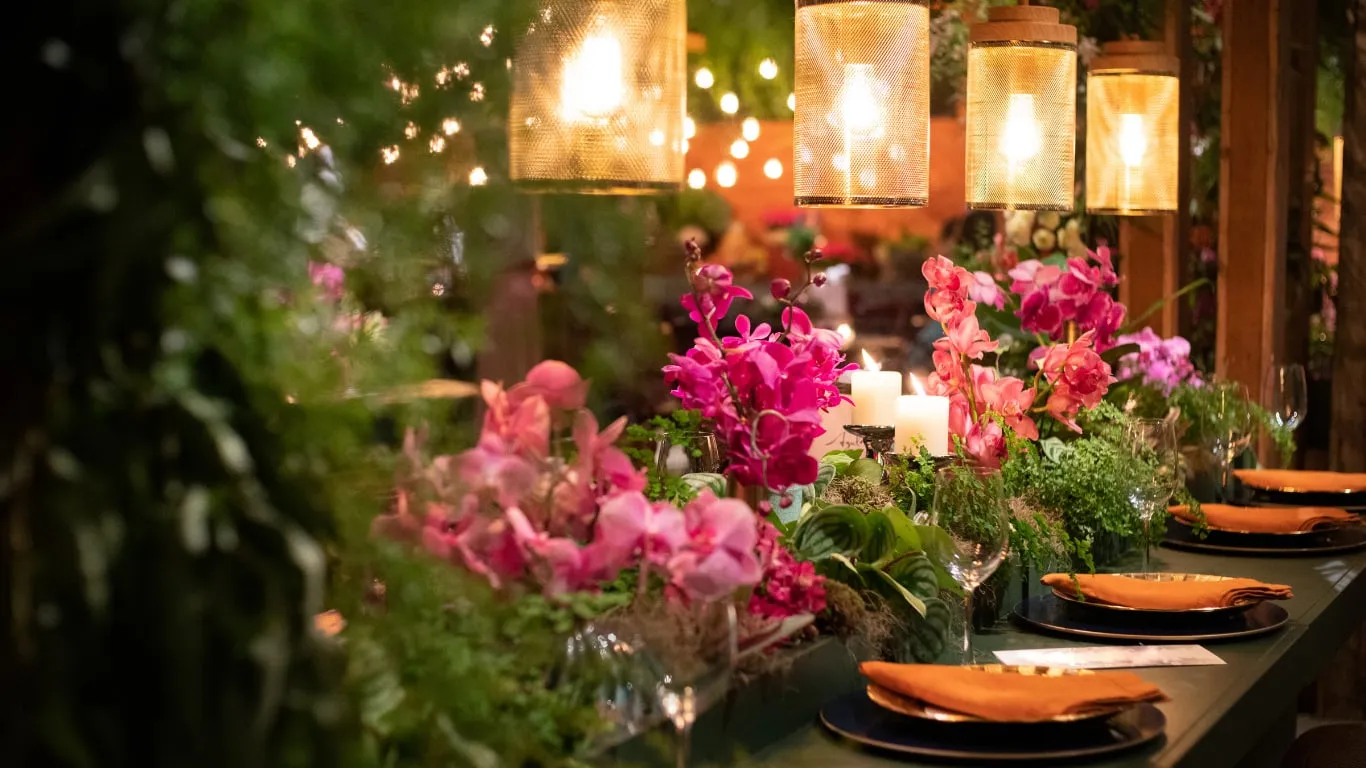
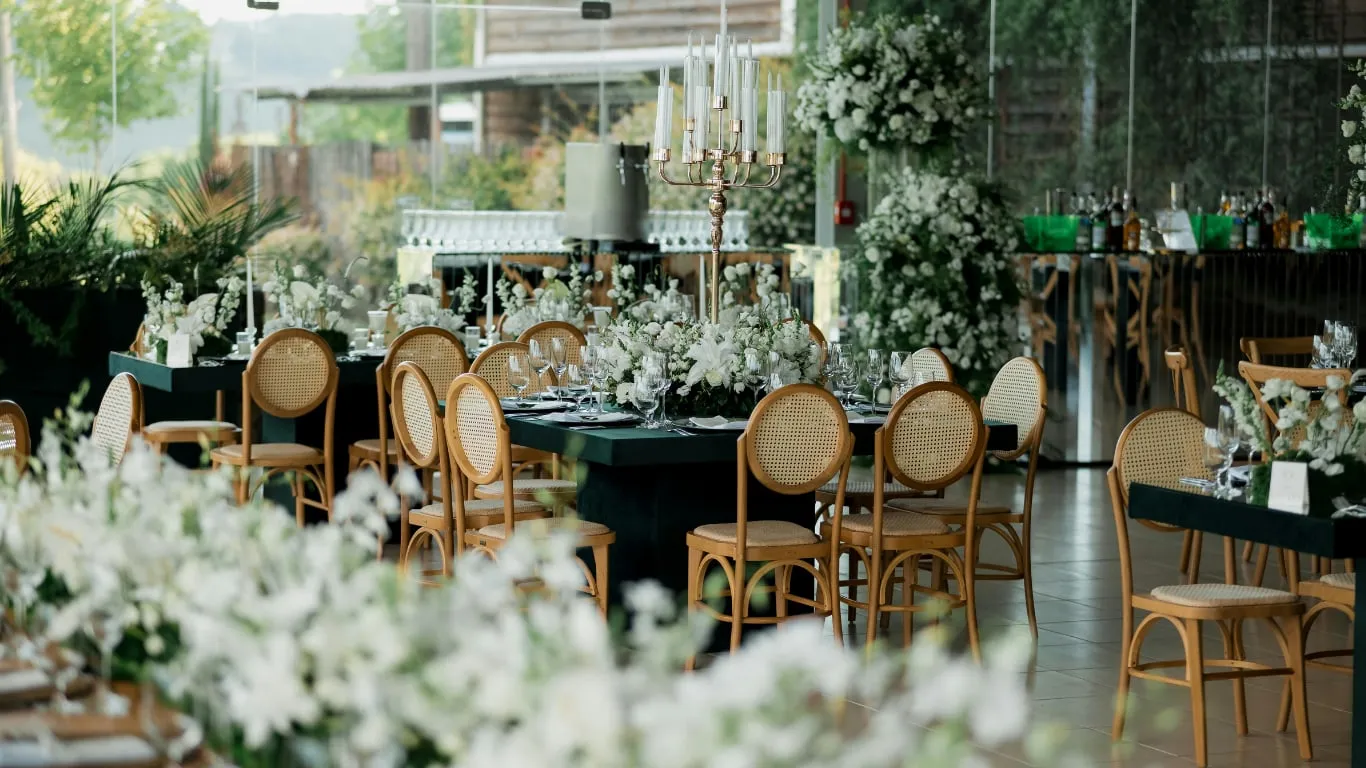
Before you price anything, decide how you want the night to feel. Candlelit and intimate? Loud and late? Garden-party soft? Save a handful of images that capture it. Every choice after this gets easier, because you're measuring options against something specific instead of scrolling forever.
Step 2: Set your budget and guest count together
These two numbers shape almost everything else, so settle them side by side. Forty people at $5,000 is a very different party than 100 people at the same budget. Write down your ceiling, then hold about 10% back for the surprises every event brings.
Step 3: Lock the venue and date first
The space sets the vibe, the headcount, and the vendors you'll need, so it comes first. Weekend dates at popular spaces go fast, so start looking early and stay a little flexible if you can. Ask what's included: tables, chairs, sound, any drink minimum.
Step 4: Book vendors who've done your kind of event
A great wedding photographer may not be your pick for a rooftop birthday. Look for vendors whose past work looks like the event you're planning, not just the category you need filled. Start with the ones who book up first, usually the photographer, DJ, and caterer.
Step 5: Get every price in writing and compare
Quotes scattered across DMs and voicemails are hard to line up. Ask each vendor for a written quote with what's included, the deposit, and the cancellation terms. Side by side is where the real differences show up, and where your budget either holds or doesn't.
Step 6: Invite your people and track who's coming
Send invites four to six weeks out for a milestone party so guests can plan around it. Keep RSVPs in one place, because your final headcount feeds straight back into catering, rentals and seating.
Step 7: Write a run of show
A run of show is a simple timeline for the day: when vendors arrive, when food comes out, when the toast happens, when the music shifts. Share it with every vendor and the venue a few days before. It's the difference between a smooth night and your phone buzzing at 4 pm.
Step 8: Hand off the day
Choose one person, a friend or a coordinator, to field vendor questions on the day. You planned the night. Now go be a guest at it.
Doing it all in one place
Most of the stress in planning lives between these steps: the threads, the quotes, the spreadsheet that's always out of date. RendezView pulls them together.
Share your vibe, budget, and guest count; get matched with venues and vendors whose past work fits your taste; compare quotes; then book and pay in one spot. Invites go out from the same page, and your run of show is drafted from your bookings and shared with everyone working the event.
Start your event on RendezView by sharing your vibe, budget and guest count, and get matched with venues and vendors you can compare, book and pay for in one place. Plan your next event on RendezView today.